Perfusion Mind Logo

The AI Assistant for Perfusionists, Students, and ECMO Specialists.


New Update Coming Soon!

  • Interactive Care Plan Tool:
    A new page to generate tailored patient plans instantly.
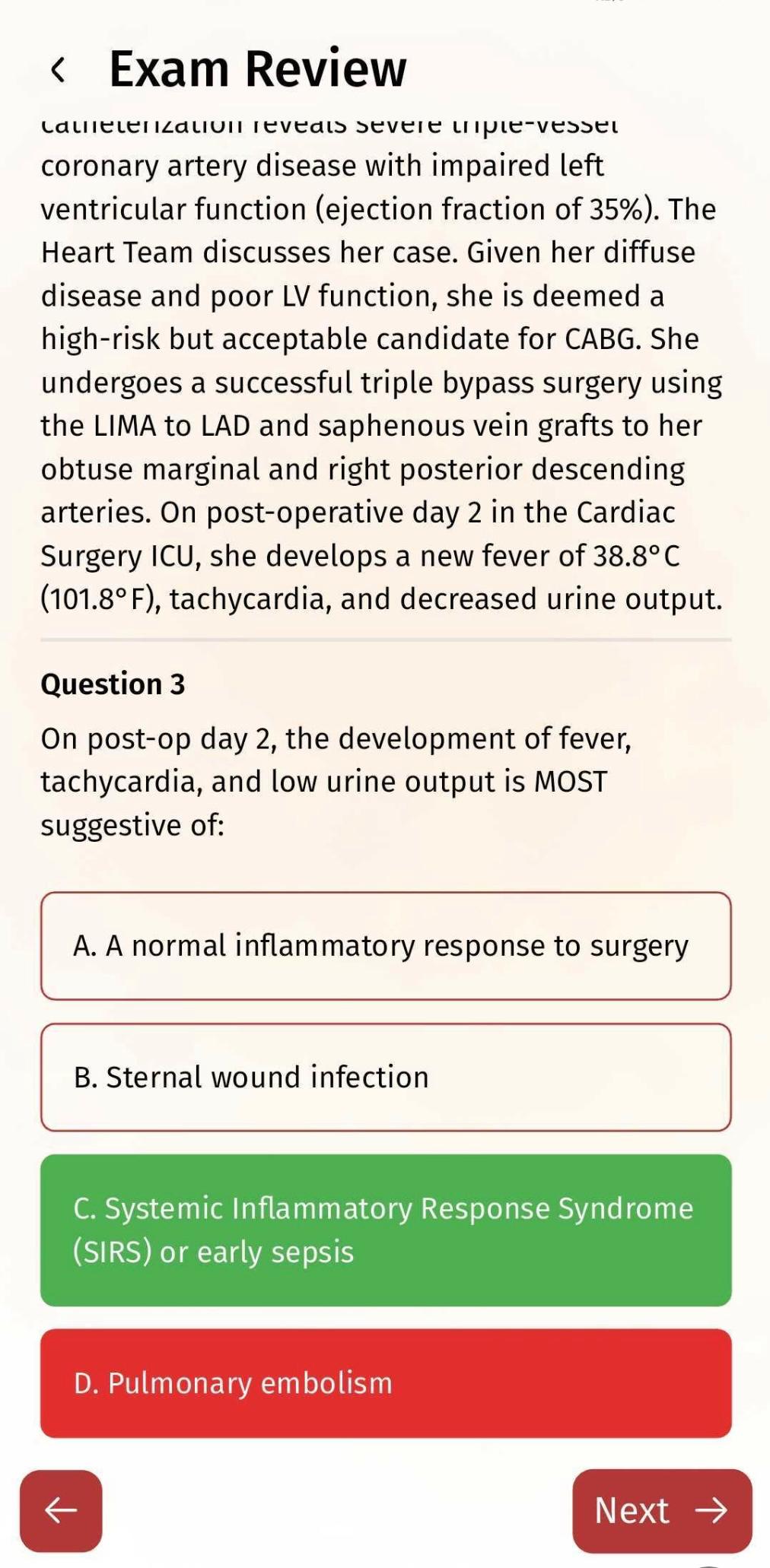
  • Exam Review:
    A comprehensive study mode for the ABCP board exam (Pro Subscription).
  • More Free Access:
    Free users can now ask up to 5 questions/plans per week!
Perfusion Care Plan

Quick. Easy. Accurate. Simply enter patient details—height, weight, prime volume, procedure type, and comorbidities—and our AI instantly generates a tailored care plan.

  • BSA Calculation
  • Estimated Blood Volume
  • Blood Flow Rates (at various CIs)
  • Predicted Post-Dilutional Hct
  • Predicted DO2i (@ CI 2.4 L/min/m²)
  • Multiple Heparin Dose Options
  • Protamine Reversal Doses
  • CPB Urine Output Target

Use your 5 free weekly credits here!

All new Exam Review!

Designed for students preparing for the ABCP Board Examination. Unlocks our extensive question bank covering both Clinical Scenarios and Basic Science.

See Perfusion Mind in Action

Perfusion Mind vs. Generic AI

See how Perfusion Mind outperforms ChatGPT (5.1).

Question: What are the steps to changing out an oxygenator while on CPB?

ChatGPT’s Answer

Changing out an oxygenator during cardiopulmonary bypass (CPB) is a high-risk, expert-level perfusion procedure...

High-Level Overview...

The overall goal is to:

  1. Maintain patient perfusion and oxygenation.
  2. Isolate the failing oxygenator.
  3. Bring a primed replacement oxygenator online.
  4. Minimize interruption of flow and avoid introducing air.

ChatGPT's Answer: Long, poorly-worded and written in a way that has neither the vocabulary of a perfusionist or the level of detail that a perfusionist who is asking the question would desire.

Perfusion Mind’s Answer

The steps to change out the oxygenator during cardiopulmonary bypass (CPB) are as follows:

1. Inform the surgical team that you think it is necessary to change out the oxygenator.

2. Depending on the circumstances... consider cooling the patient and increasing the FiO2 to 100%...

3. Prepare to change out the oxygenator...

  • A new, primed oxygenator...
  • Tubing clamps...
  • Normal saline-filled bulb syringes...

4. Prep the part of the lines...

5. When the surgeon has indicated...

6. Using two tubing clamps...

7. Using a bulb syringe, make a wet-to-wet connection...

8. Apply 1 more clamp...

9. Using a bulb syringe...

10. Attach the oxygen line...

11. Remove all clamps and resume flow...

Perfusion Mind's Answer: Concise, accurate, detailed and worded in a way that makes sense to perfusionists.

Get the Best Results

Learn how to talk to the AI like a colleague to get safer, faster, and more accurate answers.

Read the "How to Use" Guide